
-
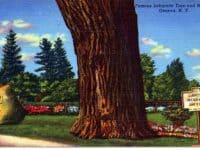
The Truth about General Lafayette’s Visit to Geneva
General Lafayette visited Geneva in 1825. But people remember the story of his visit in different ways. How does that happen? -

General Lafayette’s Visit to Geneva, 1825
Newspaper account of General Lafayette's visit to Geneva on June 8, 1825. -
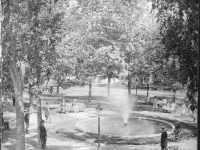
Main Street Improvement Association, Part 2
The second article in a series about the Main Street Improvement Association. -
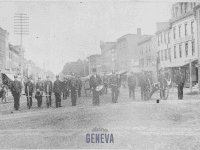
Battery Boys: The Independent Battery
A brief history of the Independent Battery (1879-1923), sponsored by the Grand Army Republic Swift Post No. 94 in Geneva. -
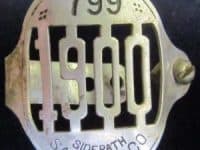
Bicycles and Cinder Paths, Part 2
Part two in a series chronicling cinder paths, or side paths, for bicycles in Geneva during in the 1890s. -
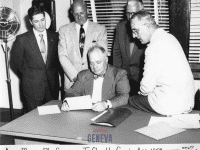
Objectionable Comics or Freedom of the Press
Examining the court case involving Louis Budgar, owner of a news agency, over censorship and comic books in the 1950s. -
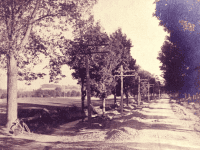
Bicycles and Cinder Paths
Cinder paths, or side paths, for bicycles in the 1890s. -
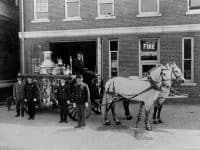
“No one hungry in Geneva this winter:” Firemen’s Cafeteria
A recounting of the Firemen’s Cafeteria which operated during the winter of 1932-33 in Geneva. -
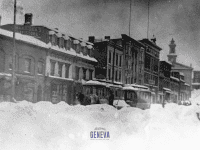
Geneva 1879: Year in Review
A few highlighted events from the Geneva Courier's 1879 Year in Review. -
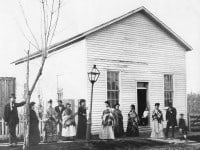
An 1837 View of Geneva
A view of Geneva published in the October 14, 1837, issue of the Colored American. -

1925 Solar Eclipse
Newspaper accounts about the 1925 solar eclipse and the unsuccessful balloon ascension. -
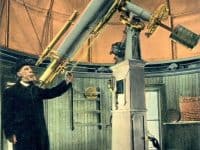
“Eclipse Was On Time:” 1900 Solar Eclipse
Account from the Geneva Daily Times about the 1900 solar eclipse with commentary from local astronomer Dr. William Brooks. -
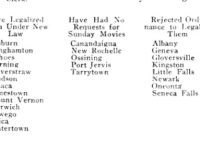
No Movies on Sunday
In April 1919, New York State passed an act that granted cities a local option to legalize Sunday movies. A look back on how Geneva legalized showing movies on Sundays. -
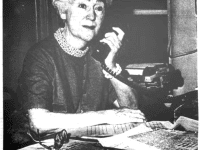
Geneva’s Early Woman Journalist: Mildred Jennings
The life and career of journalist Mildred Jennings, one of 20th-century Geneva's first woman journalists. -
December 1922
Happening in and around Geneva in December 1922 based on local newspapers. -

Geneva’s First City Budget
The city's first budget from 1898. -
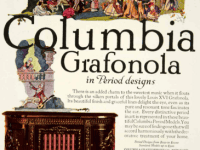
I’ll See You in My Dreams: 1920s Records and Record Players
Overview of record players and records sold in Geneva during the 1920s based on ads in the Geneva Daily Times. -
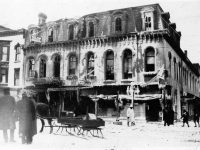
Geneva in December 1922
A glimpse at Geneva in December 1922 through the newspaper. -
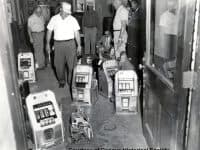
Got A Nickel?
Brief history of slot machines in Geneva. -
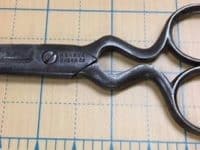
The Geneva Shears Company
The first in a series of posts about 35 Lehigh Street in Geneva, New York. Includes a brief history of the Geneva Shears Company. -
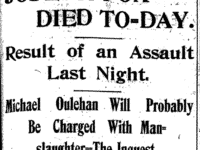
A Victorian Murder Trial
Overview of the 1899 murder trial of Michael Houlihan -
The Spanish Association of the Finger Lakes
Brief history of Spanish Association of the Finger Lakes in Geneva, New York. -
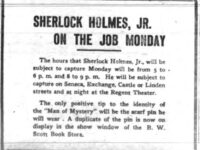
When Sherlock Holmes, Jr. Came to Town
Who is Sherlock Holmes, Jr., and why did he come to Geneva? -

Hearing from You: The Rest of the Story
Examples of how our online viewers recently helped to fill in the gaps for some of Geneva’s stories. -
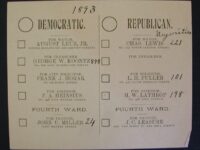
Geneva’s Close Election of 1903
Look back at Geneva’s controversial mayoral election of 1903. -
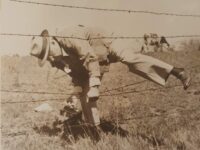
PB Oakley
Brief biography of photojournalist PB Oakley. -
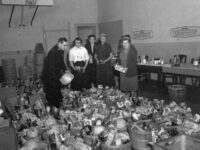
Salvation Army
Chronicle of the Salvation Army’s presence in Geneva. -
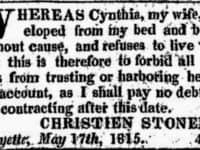
Should I Stay or Should I Go: Elopement in the 19th Century
How the term elopement has changed -
More Trick Than Treat: Halloween in 19th Century Geneva
Overview of how Genevans celebrated Halloween in the 1800s. -
Christmas in Geneva 50 Years Ago
Christmas shopping based on ads from the November 27, 1968 edition of the Geneva Times. -
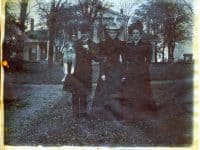
After the Swans: The Smiths, 1896-1912
The Smith family lived at Rose Hill from 1896 to 1912. -
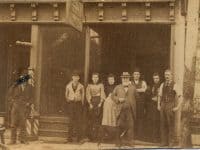
Meet the Parker Family
Brief biography of the Parker family including Ira, Stephen and Edgar Parker -
Mechanical Eye: Early History Motion Pictures
An early history of motion pictures -
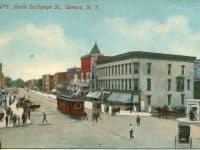
Geneva 100 Years Ago
Geneva in 1918 through the local newspaper -
Charles Dickens in the Geneva Newspapers
Charles Dickens in Geneva newspapers -
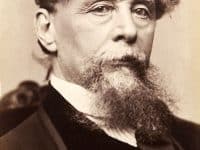
Inmate of Every Household
Charles Dickens as seen through local newspapers. -
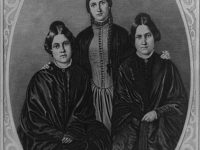
Very Mysterious: The Fox Sisters and the Spiritualist Movement
Chronicling the Fox Sisters and the Spiritualist movement through local newspapers. -
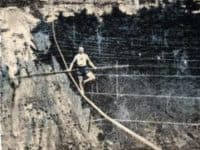
Superiority to Fear: Acrobat and Tightrope Walker Blondin
Accounts of Blondin crossing the Niagara Gorge from local newspapers -
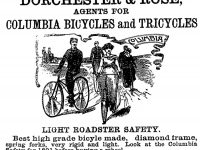
As Modest on a Wheel as in a Drawing Room: Female Bicyclists in the 1890s
The reaction to female bicyclists in the 1890s through local newspapers -
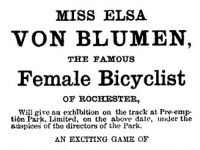
Astounding The Crowd: Bicycling in Geneva
The introduction of bicycling in Geneva through local newspapers -
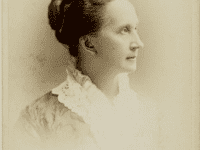
Belva Lockwood
Brief biography of Belva Lockwood. -
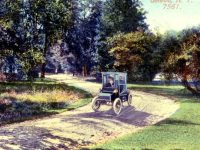
A Mobe By Any Other Name . . .
The debate on what to call automobiles as seen through local newspapers. -
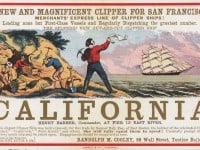
Ho! For California, Part 4
The journey of a local group of men to the California gold fields chronicled through the newspaper -
Ho! for California, Part 3
The Geneva Gazette chronicles the journey of a local group of men to the California gold fields. -
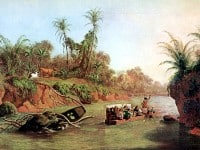
Ho! for California, Part 2
Part two of the Geneva Gazette's chronicle of a local group of men's journey to the California gold fields. -
Ho! for California, Part 1
Reports of the California Gold Rush from the Geneva Gazette -
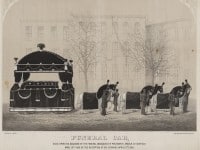
Lincoln’s Assassination as Seen in Geneva
One hundred fifty years ago this week actor John Wilkes Booth changed American history when he stepped into the Lincolns' booth at Ford's Theater and shot the president in the back of the head, the first man to assassinate a U.S. president. The assassination was an awful event that shook the nation just a week after Lee’s surrender overjoyed the North. -
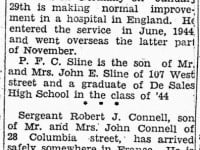
World War II in the Geneva Daily Times
When we did our World War II project in the early 1990s, Kathryn Grover was hired to research, write, and lay out the exhibit and book, Close to the Heart of the War. As part of her contract, we received all her research notes for our archives. I recently pulled out one of the large boxes to look at her source material. Any project, i.e. More » -
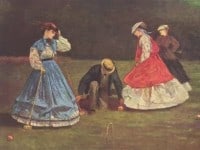
Croquet
A brief history of croquet -
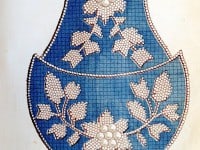
Crafts Then and Now: Godey’s Ladies Book
Chronicling women's handwork through 19th century national magazines and local newspapers.
Historic Geneva is a history museum in the Finger Lakes region of New York State which focuses on the history of Geneva, NY, historic architecture, genealogy, and the area's industry and agriculture. The Society maintains four historic 19th century properties, an archive and library, a museum and runs programs and events related to the history of Geneva and the Finger Lakes area.