All performances of Happy Krampus are SOLD OUT.
Tag: World War II

A brief history of social clubs formed by Geneva’s Black community in the late 20th century.
Dr. Robert’s Doran’s reminiscences about the Sampson Naval Base hospital during World War II.
Overview of Geneva's housing shortage and the construction of Sampson US Naval Training Station during World War II.
A look back at the Geneva Red Cross Canteen during World War I and II.
A selection of veterans buried at St. Patrick's Cemetery
The travels of Blanchard Bartlett Walker through her diaries and scrapbooks.
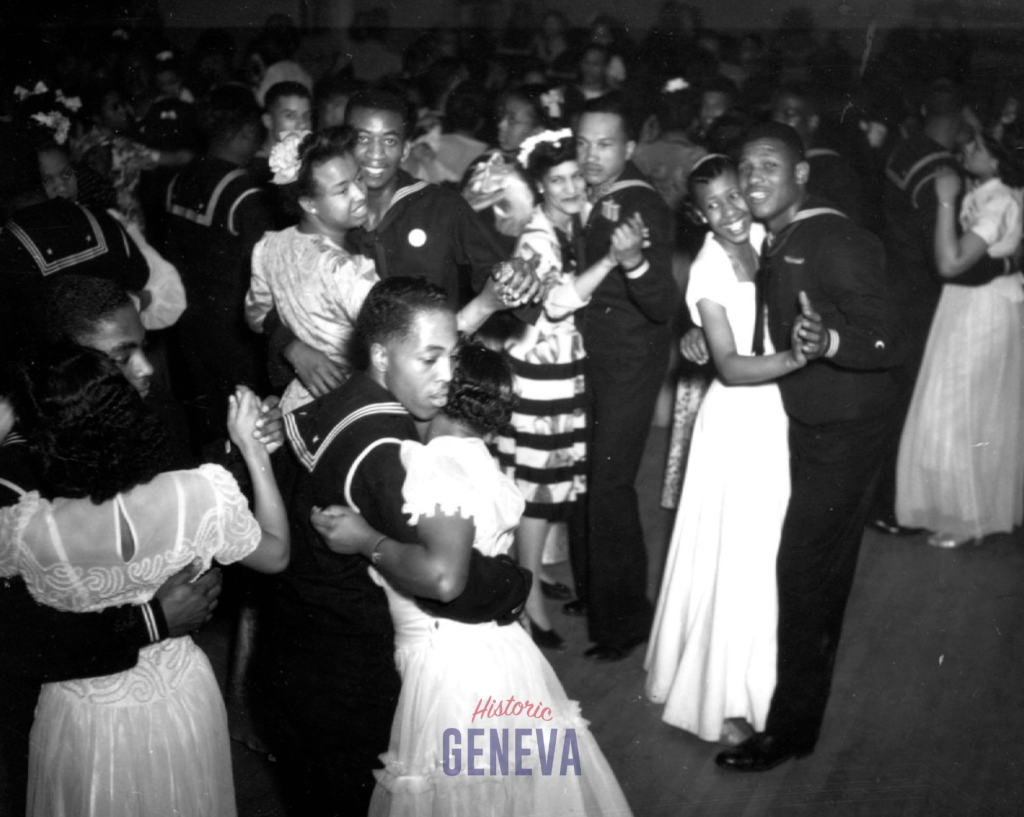
The Geneva USO Club helped the community do its part during World War II.
The Corcoran family scrapbook documents one Geneva family's World War II experience from draft through marriage and life after the war.
By the end of the war, there were almost 1,000 men who were enlisted in the army from Geneva. The loss of these men caused a drop in people who were able to work. The loss of the men from Geneva to the war was very problematic for the farming in the area.
Family stories can still bring World War II to life and make history a personal thing.
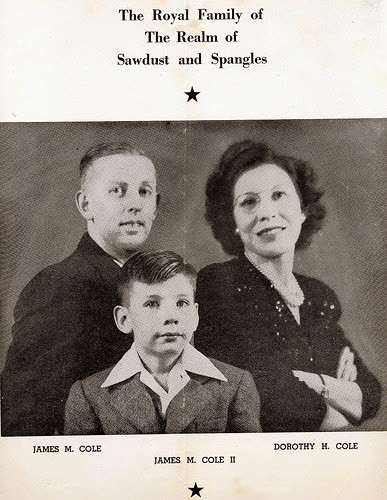
In November 1943, the Geneva Daily Times reported Cole, Circus Owner, Inducted Into Army
“Food deserts” are a current topic in government and academic research. The US Department of Agriculture defines the term as “urban neighborhoods and rural towns without ready access to fresh, healthy, and affordable food. Instead of supermarkets and grocery stores, these communities may have no food access or are served only by fast food restaurants and convenience stores that offer few healthy, affordable food options. The lack of access contributes to a poor diet and can lead to higher levels of obesity and other diet-related diseases, such as diabetes and heart disease.”
With World War II came the birth of the American teenager. While we tend to associate the flowering of teen culture with the baby boomers, it was actually their immediate predecessors, the so-called “Silent Generation” who were first referred to as teenagers. Then, as always, the older generation thought that the younger generation was at best misguided, at worst they were described as selfish, willful, spoiled and delinquent.
Some of my favorite memories are associated with Christmas–the Festival of Lights at Sonnenberg, seeing The Nutcracker at the Smith Opera House and A Christmas Carol at Geva, picking out a new ornament each year for the tree, having Christmas breakfast with my grandparents, and playing “Sleigh Ride” throughout high school for the holiday band concert.
When we did our World War II project in the early 1990s, Kathryn Grover was hired to research, write, and lay out the exhibit and book, Close to the Heart of the War. As part of her contract, we received all her research notes for our archives. I recently pulled out one of the large boxes to look at her source material. Any project, i.e. an exhibit, book, or documentary, reflects the creator’s selection of what to include or leave out; it’s good to look at the research with fresh eyes.
While looking for interesting topics from the 1940s, I ran across the James M. Cole Circus of Penn Yan. This is a little of its story from the 40s, as reported (mostly) in the Geneva Daily Times.
When I was in high school girls took “home economics” classes and boys took “shop” classes. I remember coming home from the first cooking class in home economics and showing my mom what foods they were going to teach us to prepare. My mother was not impressed, for that matter I wasn’t either. I only remember 3 or 4 of the recipes, but one was broiled grapefruit.
In 1995 we opened a major exhibit, Close to the Heart of the War: Geneva and World War II, and published a companion book. We conducted “history harvests” to identify people with stories, artifacts and photos. A researcher recorded many hours of oral history interviews and scoured local newspapers and records. So, why do World War II again? Is there anything left to say?
Recently, I got the book Swing Shift by Sherrie Tucker. The book was published in 2000 and Professor Tucker was a professor at Hobart and William Smith when she wrote it. Swing Shift is about the all-women bands of the 1930s and 1940s. I wondered if any of the bands in the book were seen or heard in Geneva. It turns out some of them were.
Since I was born in the early 1950s World War II was very fresh in the memories of my parents and their friends so by process of osmosis I became more familiar with that war than some of the more recent ones during my own life.